

- 25 August 2026
A plain-language look at what NAD is, why it matters for every cell, and how high-purity NAD products are made the green way.
If cells had a currency, it would be NAD. Short for nicotinamide adenine dinucleotide, NAD is a coenzyme present in every living cell — from bacteria to human brain tissue. It sits at the center of how we turn food into energy, how cells defend their DNA, and how the body’s “longevity proteins” do their job. This article explains the science in everyday terms, and why the quality of NAD products is just as important as the molecule itself.
1. What Exactly Is NAD?
NAD is a small but mighty molecule built from two connected halves: a nicotinamide ring on one side and an adenine ring on the other, joined by a chain of phosphate groups. In the body it exists in two interchangeable forms:
- NAD⁺ — the “oxidized” form. The “+” signals it is ready to accept electrons.
- NADH — the “reduced” form. It is NAD⁺ that has picked up electrons (and a hydrogen atom) and is carrying energy.
Think of NAD⁺ as an empty battery and NADH as the same battery, charged. The cell constantly swaps between the two — and that back-and-forth is where the magic happens.
2. Why NAD⁺ Matters: Three Key Jobs
NAD⁺ is not a passive passenger. It is an active worker with three headline roles that together explain why scientists call it a “master regulator” of metabolism and aging.
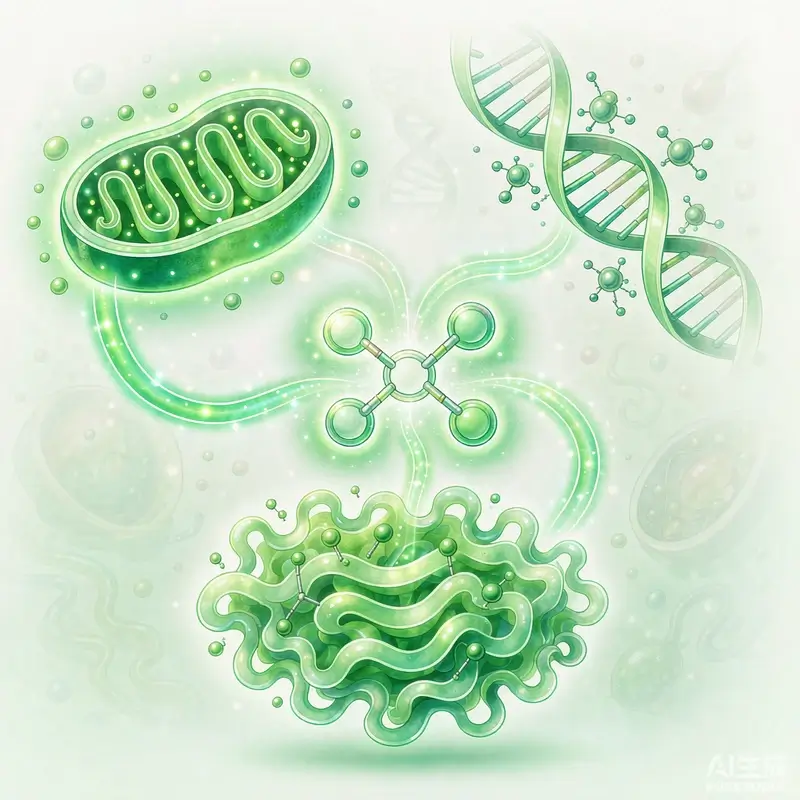
Inside the cell, NAD⁺ links energy production (mitochondria), DNA repair, and sirtuin proteins.
a) Cellular energy — the power plant fuel
In the mitochondria, NADH carries electrons into the electron transport chain, the final step that produces ATP — the molecule cells actually spend for work. Without NAD⁺, the chain stalls and energy production collapses.
b) Sirtuins — the longevity proteins
Sirtuins are a family of proteins tied to healthy aging, stress resistance and metabolic balance. They require NAD⁺ to function. More available NAD⁺ means sirtuins can do more of their protective work.
c) DNA repair — the maintenance crew
Enzymes called PARPs use NAD⁺ to repair damaged DNA. Every day, our DNA takes hits from sunlight, toxins and normal metabolism; PARPs are part of the cleanup crew — and they consume NAD⁺ to do it.
3. NAD⁺ Declines With Age
One of the most consistent findings in aging research is that NAD⁺ levels fall steadily over a lifetime — often by roughly half between young adulthood and middle age, and lower still thereafter. Lower NAD⁺ is linked to the familiar hallmarks of aging: less energy, slower recovery, and reduced cellular resilience.
4. NAD Products & Precursors
Because the body makes less NAD⁺ over time, a growing category of supplements and research ingredients aims to replenish it. These come in several forms, each a slightly different building block:
Choosing among them depends on the application — research grade, nutraceutical formulation, or diagnostic reagent — and on the purity and consistency of the material, which is where manufacturing method matters most.
5. Why Green Enzymatic Synthesis Matters
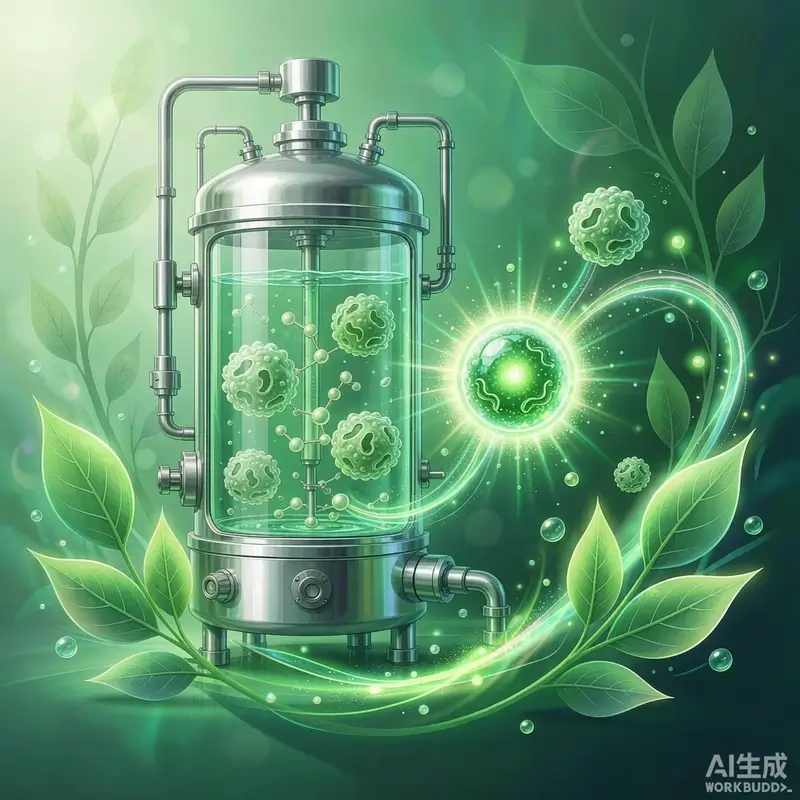
6. Quality You Can Trust
For a molecule that goes into supplements, cosmetics or pharmaceutical research, purity is non-negotiable. MAINTAIN Biotech manufactures coenzymes in GMP-standard facilities, with every batch released only after HPLC verification and strict in-process quality control. That ensures the high purity and batch-to-batch consistency partners rely on.
Disclaimer: This article is for general scientific education only and is not medical advice. NAD-related products are research and formulation ingredients; their use should follow applicable regulations and professional guidance.
Images are illustrative. Charts show representative trends, not exact clinical values.
Leave a comments